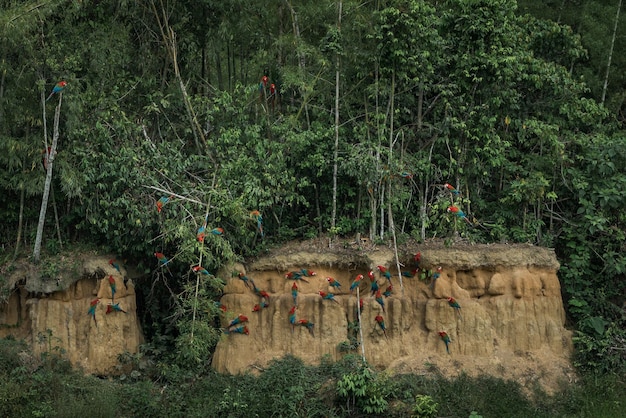
The Jungles of Burma: A Mysterious Natural Treasure
History of Burma
Burma, officially known today as Myanmar, boasts a rich and complex history blended with ancient traditions, colonial influence, and natural wonders. The foundation of Burmese civilization dates back thousands of years, with the Pyu city-states emerging as some of the earliest settlements. Over time, the Bagan Empire (849–1297 AD) rose to prominence, leaving behind breathtaking temples and records of a highly organized society.
Fast forward to modern history, the British colonized Burma in the 19th century, integrating it into British India until it became a separate colony in 1937. Subsequently, Burma gained independence in 1948, embarking on a journey of self-discovery amidst political upheaval. Its dense jungles, however, remained largely undisturbed, serving as habitats for wildlife and indigenous groups while also being a theater of military conflict during World War II and other internal struggles.

The Unique Ecosystem of Burma’s Jungles
The jungles of Burma are among the most biodiverse ecosystems on the planet, making them a haven for environmentalists and adventurers alike. These forests are mostly part of the Indo-Burma biodiversity hotspot, one of Earth’s most biologically rich yet highly endangered terrestrial ecoregions. Towering teak trees, dense bamboo groves, and expansive stretches of evergreen forests populate these jungles.
Burma’s tropical climate plays a vital role in sustaining this lush greenery. Meanwhile, the country’s distinct regions, from the Ayeyarwady Delta to the northern highlands, offer varying ecosystems that nurture a remarkable variety of flora and fauna. Elephants, Burmese pythons, clouded leopards, and the endangered Irrawaddy dolphin are just some of the species calling these jungles home.

The Connection Between Indigenous Culture and Nature
The jungles of Burma do not merely serve as ecological wonders; they are deeply interwoven with the lives of indigenous communities. Tribes like the Karen, Chin, and Lisu have adapted to these landscapes over centuries and have cultivated unique cultural practices deeply connected to the surrounding environment. Hunting rituals, medicinal plant use, and even folklore are all tied intricately to the forests.
Furthermore, there’s a spiritual side to this connection, as many rural communities consider their jungles sacred. Ancient animistic beliefs remain prominent, and the forests are seen as domains of protective spirits. This spiritual reverence has, in part, contributed to their conservation over centuries.
These areas also provide sustenance to locals. Foraging for forest products like bamboo, honey, rattan, and medicinal herbs has been an indispensable facet of everyday life. Despite modernization creeping into the country, many indigenous groups maintain their sustainable ways of interacting with the forest, preserving it for future generations.
The Role of Jungles in Myanmar’s Tourism
The jungles of Burma are gaining increasing recognition as a top eco-tourism destination. Tourists from around the globe are drawn to Myanmar’s pristine rainforests, seeking experiences like trekking, bird watching, and learning about local tribes. Highlights include the Hkakabo Razi National Park in northern Burma, home to Southeast Asia’s tallest mountain and some of the most remote pristine forests on Earth.
Ecotourism initiatives are gradually taking shape, though they face challenges due to ongoing political instability. For example, organizations focusing on responsible tourism are developing programs that ensure minimal environmental impact while engaging local communities positively. This sustainable approach benefits not only the conservation of biodiversity but also provides indigenous communities with a source of income that incentivizes protection over exploitation.

Threats to the Jungles of Burma
While breathtakingly beautiful, the jungles of Burma are not without challenges. Deforestation fueled by illegal logging and commercial agricultural activities has decimated large portions of these forests. The global demand for valuable hardwoods like teak has also exacerbated the issue, leading to rampant deforestation over the years.
Mining activities, especially for jade and gold, pose another significant problem. These operations not only disrupt the forest’s natural balance but also contribute to pollution and habitat destruction. Furthermore, climate change threatens the region with unpredictable rainfall patterns, resulting in drier vegetation more prone to wildfires.
Efforts are underway to combat these threats. Conservation organizations are working closely with the Myanmar government to enforce anti-logging regulations and expand protected forest areas. However, strict enforcement remains a challenge, especially in conflict-torn regions.
Why Burma’s Jungles Matter Globally
The jungles of Burma play a critical role in maintaining global environmental balance. As major carbon sinks, these forests help mitigate climate change by absorbing vast amounts of carbon dioxide. They also regulate regional weather patterns, support biodiversity, and provide genetic resources that could prove vital for agriculture and medicine.
Moreover, these forests contain untapped research potential. Scientists continue to discover new species in the heart of Burma’s remote jungles, emphasizing how little we know about these habitats. Protecting them is essential not only for Myanmar but also for the global ecological balance.
In conclusion, the jungles of Burma stand as a testament to the intricate interplay between nature and culture. They are treasures to be cherished and preserved, not only for their unmatched biodiversity but also for the essential role they play in the lives of local communities and the planet as a whole. Exploring these jungles offers a surreal experience steeped in ancient history, thriving biodiversity, and indigenous wisdom—a reminder of why conservation is so critical to our shared future.
